Teeth Whitening
What is tooth whitening?
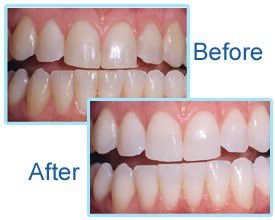
Tooth whitening can be a very effective way of lightening the natural colour of your teeth without removing any of the tooth surface. It cannot make a complete colour change, but it may lighten the existing shade.
Why would I need my teeth whitened?
There are a number of reasons why you might get your teeth whitened. Everyone is different; and just as our hair and skin colour vary, so do our teeth. Very few people have brilliant-white teeth, and our teeth can also become more discoloured as we get older.
Your teeth can also be stained on the surface by food and drinks such as tea, coffee, red wine and blackcurrant. Smoking can also stain teeth.
‘Calculus' or tartar can also affect the colour of your teeth. Some people may have staining under the surface, which can be caused by certain antibiotics or tiny cracks in the teeth which take up stains.
What does tooth whitening involve?
Professional bleaching is the most usual method of tooth whitening. We will tell you if you are suitable for the treatment, and will supervise it if you are. First, we will put a rubber shield or a gel on your gums to protect them. Then we apply the whitening product to your teeth, using a specially made tray which fits into your mouth like a gum-shield.
The ‘active ingredient' in the product is usually hydrogen peroxide or carbamide peroxide. As the active ingredient is broken down, oxygen gets into the enamel on the teeth and the tooth colour is made lighter.
How long does this take?
Your dentist will need to assess your teeth to make sure that you are suitable for the treatment. Once it has been agreed, this procedure usually takes about one hour.
What other procedures are there?
There is now laser whitening or ‘power whitening'. During this procedure a rubber dam is put over your teeth to protect the gums, and a bleaching product is painted onto your teeth. Then a light or laser is shone on the teeth to activate the chemical. The light speeds up the reaction of the whitening product and the colour change can be achieved more quickly. Laser whitening is said to make teeth up to five or six shades lighter.
How much does tooth whitening cost?
The cost depends on condition and is best explained by the dentist after clinical examination.
How long will my teeth stay whiter?
The effects of whitening are thought to last up to three years. However, this will vary from person to person. The effect is less likely to last as long if you smoke, or eat or drink products that can stain your teeth. Ask your dentist for their opinion before you start the treatment.
What are the side effects?
Some people may find that their teeth become sensitive to cold during or after the treatment. Others may have discomfort in the gums, a sore throat or white patches on the gum line. These symptoms are usually temporary and should disappear within a few days of the treatment finishing.
What about home kits?
Home kits are cheaper. Because tooth whitening is a complicated procedure we advise that you always talk to your dentist before starting the treatment.
Some kits sold over the internet may contain mild acids and abrasives.
What about whitening toothpastes?
There are several whitening toothpastes on the market. Although they do not affect the natural colour of your teeth, they may or may not be effective at removing staining. After professional cleaning is done, whitening toothpaste may also help the effect to last.
We recommend that you look for our accreditation symbol on the packaging of oral care products.
When might tooth whitening not work?
Tooth whitening can only lighten your existing tooth colour. Also it only works on natural teeth. It will not work on any types of ‘false' teeth such as dentures, crowns and veneers.
If your dentures are stained or discoloured visit your dentist and ask for them to be cleaned. Most of the time such dentures are required to be changed.
How can I look after my teeth once they have been whitened?
You can help to keep your teeth white by cutting down on the amount of food and drink you have that can stain teeth. Don't forget, stopping smoking can also help prevent discolouration and staining.
We recommend the following tips to care for your teeth:
- brush your teeth for two minutes, twice a day with a fluoride toothpaste.
- cut down on how often you have sugary foods and drinks.
- visit your dentist regularly, as often as they recommend.